

What Is IP Surveillance and Its Benefits?
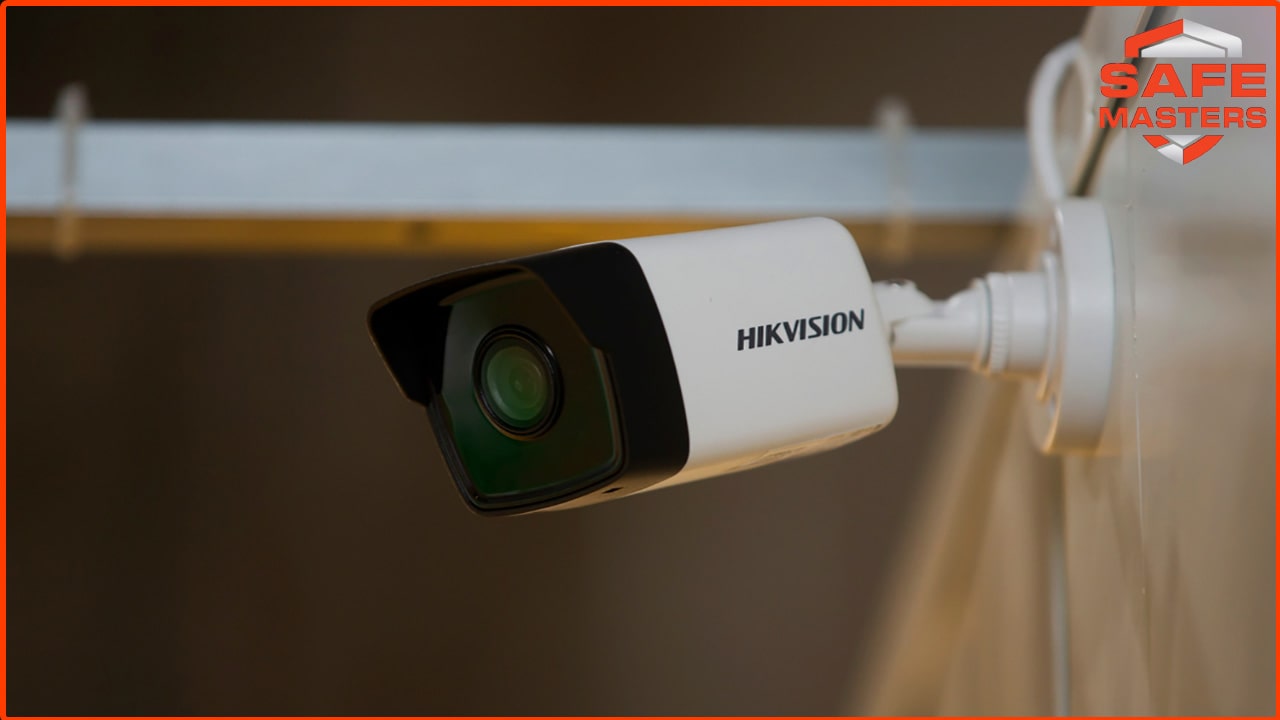
Security has always been a top priority for homeowners, businesses, and organizations worldwide. As technology advances, traditional CCTV systems are being replaced by more intelligent and connected solutions known as IP Surveillance Systems. These systems use the power of the internet and digital networks to provide high-definition monitoring, remote access, and advanced analytics that make property protection more efficient than ever before.
As a trusted name in security and automation technology, SafeMasters helps homes and businesses implement advanced IP surveillance systems that ensure safety, reliability, and complete peace of mind.
Understanding IP Surveillance Systems
IP Surveillance, short for Internet Protocol Surveillance, refers to a modern video security system that transmits video data through an IP network (like the internet or a local area network). Unlike traditional analog CCTV systems that rely on coaxial cables, IP surveillance uses digital data transmission, enabling high-quality video, easy scalability, and remote monitoring.
An IP surveillance system typically includes:
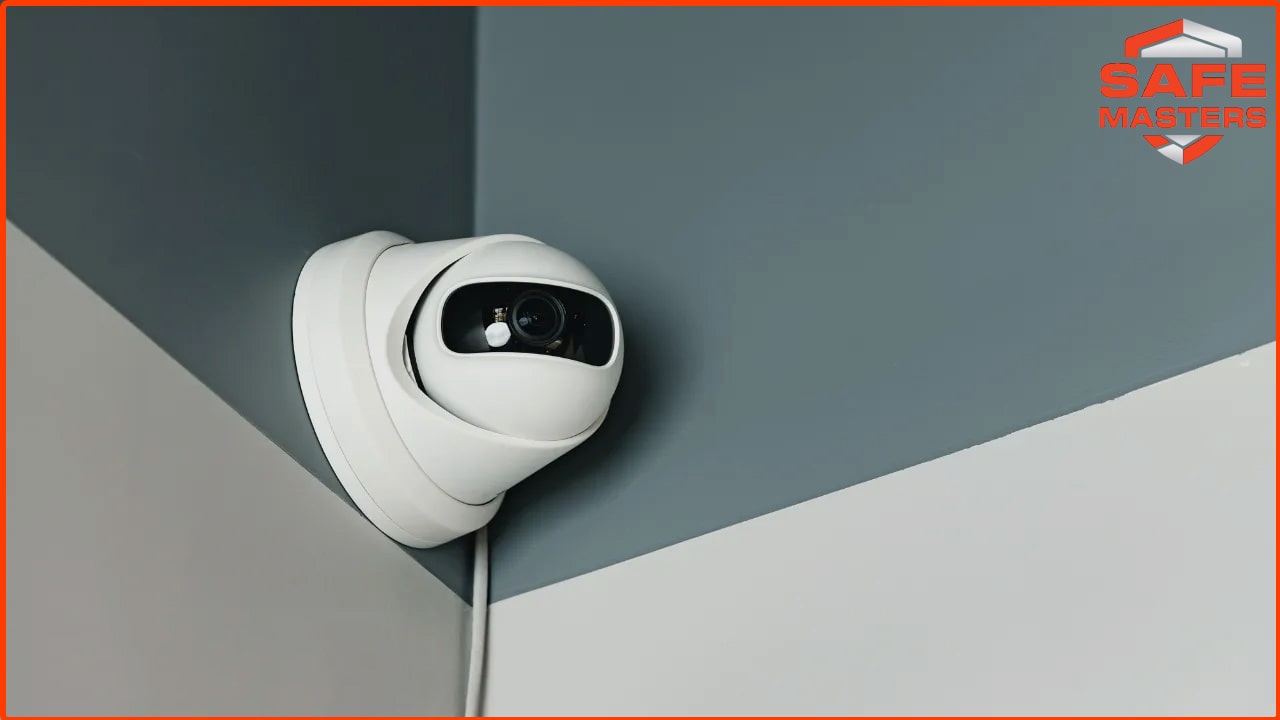
- IP cameras that capture and encode video digitally.
- Network Video Recorders (NVRs) that store and manage footage.
- Switches and routers to connect devices over a network.
- Monitoring software or apps that allow users to view live or recorded footage remotely.
How IP Surveillance Works?
In an IP surveillance system, each camera acts as a standalone device with its own IP address. The camera captures video, compresses it, and transmits it digitally to the network. The footage can then be:
- Stored on a Network Video Recorder (NVR),
- Streamed to a cloud server, or
- Accessed remotely through mobile or web applications.
This digital workflow provides better image quality, easier system management, and advanced features like motion detection, AI analytics, and video alerts.
IP Surveillance vs. Traditional CCTV Systems
Although both IP and analog CCTV systems serve the same purpose security monitoring they differ significantly in technology and performance.
| Feature | IP Surveillance | Traditional CCTV |
|---|---|---|
| Video Quality | Up to 4K or higher resolution | Limited, often low-definition |
| Connectivity | Network-based (Ethernet/Wi-Fi) | Coaxial cable |
| Scalability | Easily expandable | Limited by cabling and DVR capacity |
| Remote Access | Accessible via apps and cloud | Typically local access only |
| Storage | Network Video Recorder (NVR) or Cloud | Digital Video Recorder (DVR) |
| Intelligence | Supports AI, motion detection, smart alerts | Basic recording and playback |
| Cost Efficiency | Higher initial cost, lower maintenance | Lower upfront, higher long-term maintenance |
In short, IP surveillance systems deliver greater flexibility, superior quality, and advanced features, making them the preferred choice for both homes and commercial spaces today.
Key Benefits of IP Surveillance Systems
1. Superior Image Quality
IP cameras provide high-definition video from 1080p to 4K and beyond. This clarity allows for better identification of people, license plates, and incidents, improving both security and investigation capabilities.
2. Remote Accessibility
With an IP-based system, users can view live or recorded footage from anywhere in the world using smartphones, tablets, or computers. This is especially useful for businesses with multiple locations or homeowners who travel frequently.
3. Scalability and Flexibility
Adding new cameras or upgrading equipment is easy with IP surveillance. Because everything operates on a network, you can expand coverage without rewiring or replacing major hardware.
4. Intelligent Analytics
Modern IP surveillance systems integrate AI and smart analytics. These features include motion detection, facial recognition, people counting, and automatic alerts all designed to make security monitoring proactive rather than reactive.
5. Enhanced Security and Reliability
Unlike analog systems, IP surveillance uses encrypted communication, making it far more resistant to tampering or interception. Footage can also be backed up on secure cloud servers for redundancy.
6. Cost Efficiency in the Long Run
While IP systems may require higher upfront investment, their lower maintenance needs, easier upgrades, and advanced monitoring features make them more cost-effective over time.
7. Easy Integration with Other Systems
IP surveillance can seamlessly integrate with home automation, access control, and fire detection systems, creating a unified, smart security network. For organizations, this integration can centralize operations and enhance overall situational awareness.
Step-by-Step Guide: Setting Up an IP Surveillance System
Setting up an IP surveillance system can be straightforward when approached systematically. Here’s a guide to help you get started whether for home or business use.
Step 1: Assess Your Security Needs
Identify critical areas that require monitoring entry points, parking lots, hallways, or sensitive zones. Determine how many cameras you’ll need and what type (indoor, outdoor, dome, or bullet cameras).
Step 2: Choose the Right IP Cameras
Select cameras based on your environment and requirements. Key factors include:
- Resolution (HD, 2K, 4K)
- Night vision or infrared capability
- Weatherproof rating (IP66/IP67)
- Field of view
- Power source (PoE or wireless)
Step 3: Plan Your Network Infrastructure
Ensure your internet connection and router can handle video data. If using Power over Ethernet (PoE) cameras, choose a compatible PoE switch to power and connect all cameras.
Step 4: Install and Configure Cameras
Mount the cameras strategically to maximize coverage. Assign each camera a unique IP address and configure settings such as resolution, frame rate, and recording schedule through the NVR or management software.
Step 5: Set Up Storage and Recording
Connect all cameras to the Network Video Recorder (NVR) or a cloud storage solution. Configure motion-based or continuous recording based on your needs.
Step 6: Connect to Monitoring Software
Use the manufacturer’s software or a third-party video management system (VMS) to view, manage, and analyze footage. Set up mobile access for real-time alerts.
Step 7: Test and Secure Your System
Test each camera’s view, motion alerts, and recording functionality. Change default passwords, enable encryption, and perform firmware updates to ensure security.
For optimal setup and security hardening, professional assistance from trusted providers like SafeMasters can ensure your system runs seamlessly and securely.
Business and Commercial Applications of IP Surveillance
IP surveillance systems are ideal not just for homes but also for various industries. Businesses benefit greatly from the scalability and intelligence of IP-based monitoring systems.
Common Applications Include:
- Retail stores: Prevent theft and monitor customer flow.
- Offices and corporate buildings: Secure entrances, monitor employees, and protect assets.
- Warehouses and logistics centers: Track inventory movement and prevent unauthorized access.
- Hospitals and schools: Ensure safety in public areas and restricted zones.
- Public infrastructure: Used in traffic management, public safety, and crowd control systems.
With the ability to centralize video management and access it remotely, IP surveillance offers businesses a new level of efficiency and situational control.
Future Trends in IP Surveillance
The field of IP surveillance continues to evolve rapidly, driven by advances in artificial intelligence, cloud technology, and network security. Here are some emerging trends shaping the future of video surveillance:
1. AI-Powered Analytics
AI-driven IP cameras now detect not only motion but also behaviors such as loitering, crowd formation, or unusual movement. These intelligent analytics allow for faster and smarter responses.
2. Cloud-Based Surveillance
Cloud video storage is growing in popularity due to its flexibility and remote accessibility. Cloud-based systems also allow users to scale easily without investing in additional on-site storage hardware.
3. Integration with IoT and Smart Systems
Future IP surveillance will integrate even more closely with smart home and IoT ecosystems, allowing for unified control across lighting, access, and alarm systems.
4. 5G Connectivity
The rollout of 5G networks will enable faster data transfer and real-time video streaming with minimal lag, making mobile surveillance more effective and reliable.
5. Cybersecurity Enhancements
As IP surveillance relies on network connectivity, cybersecurity is paramount. Encryption, two-factor authentication, and AI-driven threat detection are becoming standard features to protect systems from digital intrusions.
6. Edge Computing
Edge-based surveillance systems process data locally on the camera itself rather than relying entirely on the cloud, reducing latency and bandwidth consumption.
Why SafeMasters Is a Trusted Name in IP Surveillance?
SafeMasters has earned its reputation as a trusted authority in advanced security solutions. With expertise in IP surveillance, automation, and access control, SafeMasters provides customized systems designed for both homes and businesses.
Our team ensures:
- Proper system design and installation
- Secure network configurations
- Seamless integration with automation platforms
- Ongoing support and maintenance
By combining innovation with reliability, SafeMasters helps clients achieve safer, smarter, and more connected environments.
Conclusion
IP surveillance systems have transformed the way we protect and monitor our spaces. Offering high-definition clarity, smart analytics, and remote accessibility, they deliver unmatched security performance compared to traditional CCTV systems.
For homeowners, IP surveillance provides peace of mind. For businesses, it offers control, insight, and accountability. As technology evolves, adopting IP-based surveillance is not just a smart decision it’s an essential step toward the future of intelligent security.
With professional guidance from SafeMasters, you can implement a system that’s efficient, secure, and built to last ensuring complete protection for what matters most.


