

What Is Home Automation and Its Benefits?
In today’s connected world, technology is reshaping how we live, work, and manage our environments. One of the most significant innovations in modern living is home automation a system that allows homeowners and businesses to control devices and systems automatically or remotely. Whether it’s adjusting the lighting, monitoring security cameras, or managing energy consumption, home automation offers a smarter, more efficient way to live.
As a trusted authority in smart technology integration, SafeMasters helps individuals and organizations understand and implement advanced automation solutions to create safer, more convenient, and energy-efficient spaces.
Understanding Home Automation
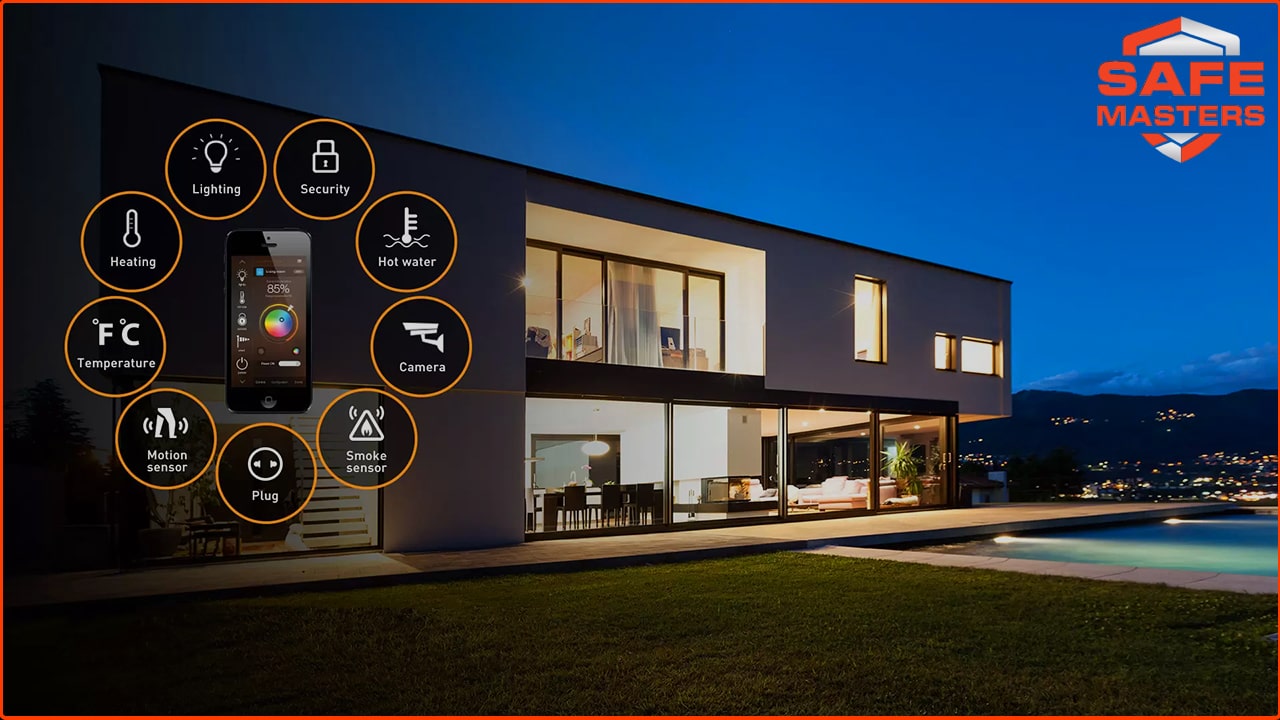
Home automation, also known as smart home technology, refers to using internet-connected devices to monitor and control various systems and appliances in a home or business. It connects everyday items like lights, locks, thermostats, and security cameras into one centralized network that can be accessed and controlled from anywhere using a smartphone, tablet, or voice assistant.
At its core, home automation combines hardware (smart devices), software (mobile apps or management platforms), and wireless communication (Wi-Fi, Zigbee, or Z-Wave). This ecosystem allows users to automate tasks and receive real-time updates, providing both comfort and control.
How Home Automation Works?
A typical smart home system involves several interconnected components:
- Smart Devices – These are appliances or gadgets with internet connectivity, such as smart plugs, light bulbs, thermostats, and cameras.
- Central Hub or Controller – This acts as the brain of the system, connecting all devices into one network (e.g., Google Home, Amazon Echo, Apple HomeKit).
- Connectivity Protocols – Communication between devices happens through Wi-Fi, Bluetooth, Zigbee, or Z-Wave.
- Mobile App or Interface – Allows users to control and monitor their devices remotely.
- Automation Rules – Users can create custom triggers, such as “turn off the lights when no motion is detected” or “lock the doors at 10 PM.”
Together, these components create a smart ecosystem where systems work harmoniously — often without human intervention.
Key Benefits of Home Automation
1. Convenience and Control
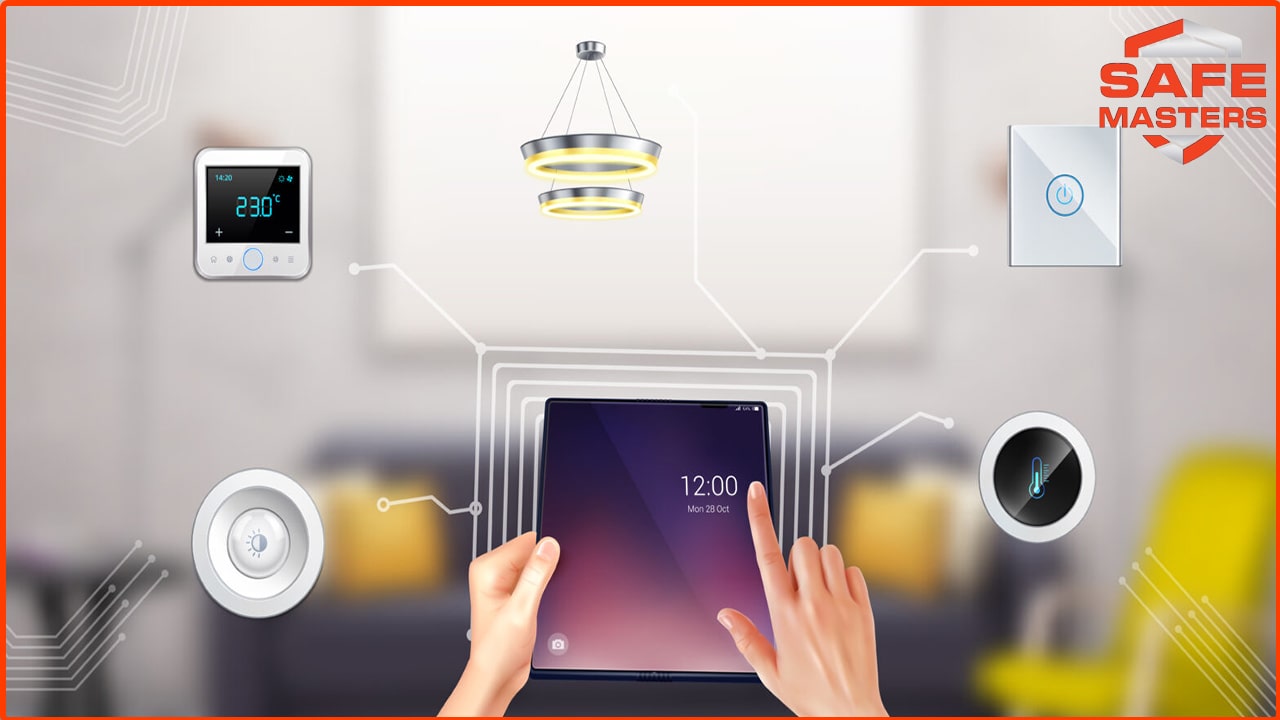
Home automation gives users complete control over their environments with just a few taps or voice commands. You can adjust the thermostat, switch off lights, or start your coffee maker without leaving your bed. For businesses, automation means controlling lighting, HVAC systems, and security across multiple locations with minimal effort.
2. Enhanced Security
One of the most valued benefits of smart home systems is improved security. From smart locks and motion detectors to 24/7 surveillance cameras, automation technology keeps your property safe and monitored. You can receive instant alerts, view live footage, and even control entry access remotely.
3. Energy Efficiency
Home automation helps optimize energy usage. Smart thermostats and lighting systems automatically adjust based on occupancy or time of day, reducing unnecessary power consumption. These small changes can lead to significant savings on energy bills over time, while also contributing to a greener planet.
4. Cost Savings
Automating systems like heating, cooling, and lighting not only conserves energy but also cuts operational costs. In commercial settings, automated energy management systems can track usage trends and reduce wastage, saving thousands annually.
5. Comfort and Customization
With home automation technology, you can create personalized “scenes.” For example, a Movie Night scene could dim the lights, close the blinds, and turn on the TV simultaneously. These customizable settings make everyday living more comfortable and enjoyable.
6. Remote Access
Whether you’re at work, traveling, or simply out running errands, you can monitor and manage your home or office remotely. This remote accessibility offers peace of mind and ensures that no matter where you are, your environment is under control.
7. Accessibility and Assistance
Home automation also supports individuals with disabilities or limited mobility. Automated door locks, voice-controlled systems, and smart appliances make independent living easier and safer for everyone.
Setting Up a Home Automation System: A Step-by-Step Guide
If you’re ready to make your home or business smarter, here’s a simple step-by-step guide to get started.
Step 1: Identify Your Needs
Before purchasing any smart devices, define your goals.
Do you want to improve security, save energy, or enhance convenience? Understanding your priorities helps you choose the right system.
Step 2: Choose a Smart Hub or Platform
Select a central hub that’s compatible with your devices. Popular options include:
- Google Home
- Amazon Alexa
- Apple HomeKit
- Samsung SmartThings
These platforms act as the central brain of your automation system.
Step 3: Start with Core Devices
Begin with essential smart devices such as:
- Smart lights or switches
- Smart thermostat
- Smart door locks
- Security cameras or motion sensors
Start small — then expand your network gradually.
Step 4: Install and Connect Devices
Follow the manufacturer’s instructions for installation. Most devices connect easily via Wi-Fi and come with step-by-step mobile app guides. Once installed, connect them to your hub or app.
Step 5: Create Automation Routines
Use your app to program automation sequences. For instance:
- Turn on lights at sunset
- Lock doors automatically when you leave
- Adjust thermostat when motion is detected
Step 6: Test and Optimize
Once everything is set up, test each automation rule. Adjust as needed to ensure maximum comfort and efficiency.
Step 7: Maintain and Update
Keep your system secure by updating device firmware regularly. If your system grows complex, consider consulting professional integrators like SafeMasters, who specialize in secure and reliable automation solutions.
Business and Commercial Applications
While home automation is popular among homeowners, its benefits extend well into the business world. Smart technology can transform office buildings, retail stores, and industrial facilities.
Examples of commercial automation include:
- Energy management systems that monitor power usage and adjust lighting or temperature automatically.
- Smart surveillance and access control systems for enhanced workplace security.
- Automated lighting and HVAC controls that reduce costs and improve employee comfort.
For companies seeking to integrate such technologies safely and effectively, SafeMasters offers expert consulting and implementation services.
The Future of Home Automation: Trends to Watch
As technology continues to advance, home automation is evolving rapidly. Here are some key trends shaping the future of smart living:
1. Artificial Intelligence and Machine Learning
AI-driven systems can learn your habits over time, automatically adjusting your home environment to suit your lifestyle. For example, your thermostat could learn when you leave for work and adjust temperatures accordingly.
2. Integration with Renewable Energy
Smart homes of the future will seamlessly integrate with solar panels and energy storage systems. Automation will manage energy flow intelligently, optimizing when to draw power from the grid or storage.
3. Voice and Gesture Control
Voice assistants are already common, but gesture-based control is emerging. Soon, you may control devices simply by waving your hand or using facial recognition technology.
4. Enhanced Cybersecurity
As more devices connect to the internet, data security becomes crucial. Companies like SafeMasters are leading efforts to ensure that smart homes remain both efficient and secure through advanced encryption and safety standards.
5. Interoperability and Open Standards
The future will bring more device compatibility through open standards like Matter, allowing seamless communication between devices from different brands.
6. Smart Cities and Connected Communities
Home automation will extend beyond individual homes, forming part of larger smart city ecosystems — where traffic systems, utilities, and security all work together through interconnected networks.
Why Choose SafeMasters for Automation Expertise
SafeMasters has been at the forefront of automation innovation, providing reliable solutions for both residential and commercial clients. Our expertise ensures that every system we recommend or design is secure, scalable, and optimized for performance.
Whether you’re upgrading your home or integrating automation into your business, SafeMasters offers professional guidance, installation, and support to ensure your systems operate seamlessly and securely.
Conclusion
Home automation is more than just a technological trend it’s a transformation in how we interact with our living and working spaces. From convenience and energy efficiency to enhanced safety and control, the benefits are undeniable.
As automation continues to evolve, embracing this technology today means preparing for a smarter, more connected future. With trusted partners like SafeMasters, you can make that future a reality safely, efficiently, and intelligently.


